Finding the best dynamic speech bubble font for digital art requires more than just picking a bold typeface. You need letters that convey emotion and movement without sacrificing readability. The right choice turns flat dialogue into an active part of your storytelling.
What Defines a Dynamic Font?
A dynamic font changes shape or weight to match the energy of the scene. Static text often feels disconnected from action sequences or intense emotional moments. When letters stretch, skew, or vary in thickness, they mimic the voice of the character speaking.
This approach works best when your panel layout needs extra impact. Action scenes benefit from jagged edges, while calm moments require smoother curves. You can see how motion changes readability in this unique comic font with animated speech bubble style designed for high-energy pages.
How to Match Fonts to Your Project Conditions
Choosing the right style depends on specific attributes of your artwork. Treat these factors like personal conditions that dictate which tool fits best.
Line Art Texture
Consider the weight of your ink lines. Thick, heavy outlines need bold typefaces to maintain balance. Delicate sketches require lighter strokes so the text does not overwhelm the drawing. Match the font weight to your visual texture for a cohesive look.
Bubble Contour
The shape of your speech bubble dictates the letter flow. Round bubbles suit friendly, curved fonts. Jagged clouds need aggressive, sharp lettering. If the text fights the bubble shape, the reader will lose focus on the dialogue.
Editing Workflow
Think about how much time you spend on revisions. Some fonts require manual kerning for every panel. Others offer automatic spacing that speeds up production. Choose a level of maintenance that fits your deadline and patience.
Publication Platform
Where you publish changes legibility requirements. Webtoons viewed on phones need larger sizes than printed comic books. Screen resolution affects how fine details render. Adjust your font choice based on the device your audience uses.
Technical Tips and Common Mistakes
Many artists pick style over clarity. If readers squint to understand the dialogue, the font failed its primary job. Avoid stretching text horizontally to fit a box. This distorts the letterforms and looks unprofessional. Instead, adjust the bubble size to fit the natural width of the words.
Contrast is another frequent issue. White text on a light background disappears easily. Use a solid fill or a heavy stroke around the letters to ensure they pop. You can find a professional comic font with customizable speech bubbles to help manage spacing and contrast issues efficiently.
Watch out for inconsistent sizing across pages. Jumping from size 12 to size 14 confuses the reader about volume levels. Keep a style guide handy to maintain uniformity throughout your project.
Final Checklist for Lettering
Before exporting your final page, run through these steps to ensure quality.
- Check contrast against the background color.
- Ensure kerning feels natural between specific letter pairs.
- Verify readability on a mobile screen preview.
- Confirm the font weight matches the ink lines.
Take your time to test different options before committing. For more variations, explore the top choices for digital artists to finalize your selection.
Learn More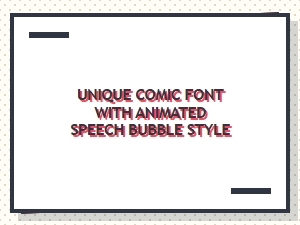 Unique Comic Font with Animated Speech Bubble Style
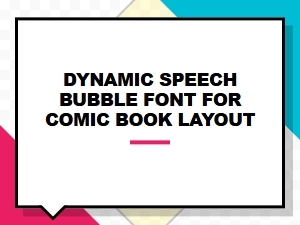 Dynamic Speech Bubble Font for Comic Book Layout
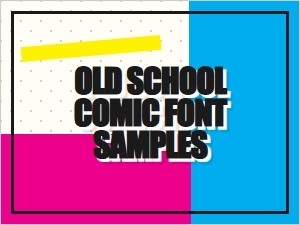 Old School Comic Font Samples
 Retro Comic Book Lettering Styles
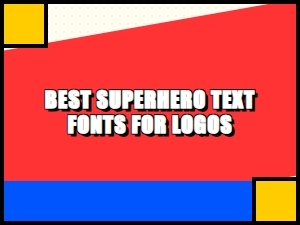 Best Superhero Text Fonts for Logos
 Retro Comic Font Styles Guide