Choosing the right typeface can make or break your design project. If you want immediate impact, retro comic font styles deliver bold energy without extra decoration. These fonts mimic the hand-lettered speech bubbles and sound effects from mid-century publications.
What Makes These Fonts Work?
The core appeal lies in their imperfect edges and thick strokes. They remind viewers of Saturday morning cartoons and old paperbacks. Use them when you need to convey fun, nostalgia, or action.
Many of these typefaces include built-in halftone patterns. These dots simulate old printing presses and add instant texture. You do not need to add noise filters in Photoshop when the font does the work for you.
Understanding the history helps you pick the right weight. You can explore classic comic book lettering techniques to see how professionals balanced text and art. This background knowledge prevents you from picking a style that feels too modern for your goal.
How to Match the Font to Your Project
Not every bold typeface fits every brand context. A neon-heavy style works for a skate shop but clashes with a bakery logo. Consider your medium and audience before committing to a specific look.
Event posters benefit from the loudest variations available. These designs need to grab attention from across a room. Conversely, packaging requires something slightly more subdued to fit on a shelf.
Digital screens require cleaner lines than print materials. Browse vintage comic typeface examples to find variants that remain legible on mobile devices. Print allows for more texture, while web needs clarity.
Think about the era you want to evoke. The 1950s used different shapes than the 1980s. Match the font curvature to the decade your brand references. This consistency builds trust with your viewers.
Common Mistakes and Fixes
Designers often crowd the letters too closely together. This kills the playful vibe and makes reading difficult. Always increase the kerning slightly to let the shapes breathe.
Another error is using too many colors within a single word. Stick to one or two high-contrast hues for maximum impact. If the text feels too heavy, switch to a lighter weight from your old school comic font samples collection.
Avoid using these fonts for long paragraphs. They are display types meant for headlines. Use a simple sans-serif for body text to maintain readability. This contrast keeps the eye focused on the main message.
Watch out for stroke widths when scaling. Thick outlines can disappear when shrunk down for social media icons. Simplify the design if you plan to use it on small avatars or favicons.
Be careful with all-caps settings. Some comic fonts look shouty when every letter is capitalized. Mix upper and lower case to soften the tone for friendly brands.
Quick Style Checklist
- Check legibility at small sizes.
- Limit color usage to two shades.
- Ensure the era matches your brand voice.
- Test on both light and dark backgrounds.
- Pair with a neutral body font.
- Verify stroke visibility on mobile.
Start with these steps to keep your typography clean and effective. Your audience will read the message before noticing the style.
Try It Free Old School Comic Font Samples
 Retro Comic Book Lettering Styles
 Best Superhero Text Fonts for Logos
 Old School Graphic Novel Fonts
 Superhero Comic Font Styles Collection
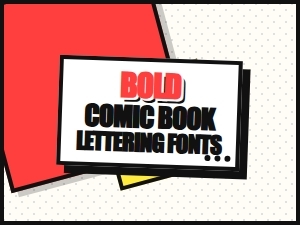 Bold Comic Book Lettering Fonts for Superheroes